

< img height="1" width="1" style="display:none" src="https://www.facebook.com/tr?id=1404142477927225&ev=PageView&noscript=1" />

The Ultimate Guide to Expandable Homes: Everything You Need to Know

2026-06-06

Everything You Need to Know About a Expandable Dwelling

Understanding an Expandable Prefab Home

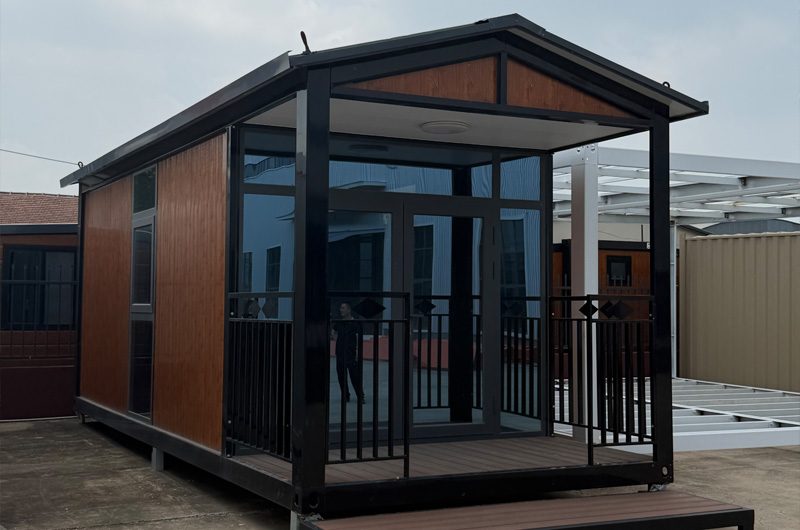
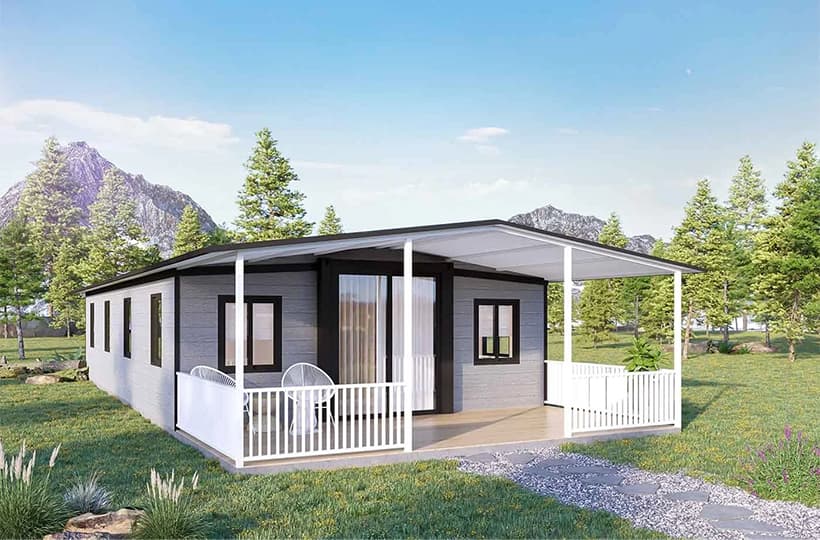
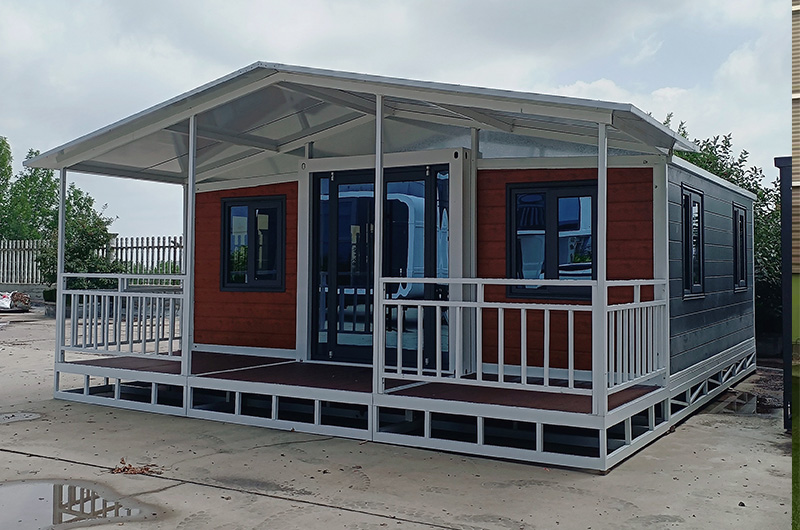
An expandable house is a modern, economical solution that blends adaptability, utility, and environmental consciousness. Unlike conventional auxiliary dwelling units, the framework for this type of dwelling is typically constructed off-site by the manufacturer. Its adaptable design and customizable features allow for diverse applications.

You have the freedom to select your preferred color scheme, dimensions, internal layout, interior aesthetics, external finish, and other premium enhancements. After the factory finalizes all specifications and completes the construction, the expandable home will be delivered directly to your approved site for final assembly. These distinctive designs and expedited construction timelines have contributed to the increasing popularity of this building method in recent years.

Advantages of a Collapsible Container Structure

Cost-Effectiveness: Prefabricated expandable homes are generally significantly more affordable than conventionally built on-site residences. This is attributable to the controlled and standardized manufacturing process. Substantial savings are realized on building materials, labor, and even finishing touches.

Rapid Construction: Customers can typically receive their ordered units within a timeframe of 30 to 90 days, a considerable acceleration compared to the protracted schedules of traditional construction projects.

Superior Quality: Modern prefabricated homes are constructed to the same high standards of quality and workmanship as conventional buildings. They are frequently made from robust metals and PVC, with some models incorporating energy-efficient features to enhance their environmental friendliness.

Versatility: Whether your need is for a compact commercial space, such as a small café, or a comfortable private residence, expandable homes can accommodate your requirements. Furthermore, you can personalize the style and finish of the home to impart a unique character.

Verify Local Building Ordinances Prior to Purchase

While expandable homes are often designed to meet general standards applicable across most regions in the United States, prospective buyers must consult local building regulations and secure necessary governmental approvals. Two critical permits you must be aware of are:

Building Permit for Your Expandable Dwelling

Engage with your local municipal authorities to understand building codes and stipulations. This step is crucial for ensuring that your future structure is both safe and legally compliant. You can typically apply for a building permit by submitting your plans and project timeline through the official government portal.

Additionally, certain jurisdictions may impose further permit requirements for new private constructions. For instance, in Los Angeles, supplementary permits are mandated for structural elements, electrical systems, plumbing, and seismic resistance.

Zoning Permit for Your Expandable Dwelling

Zoning laws represent another primary regulatory framework that you must investigate before commencing construction. A zoning permit will ascertain whether the proposed use of your structure is consistent with the character of the surrounding area and the local community. For example, land designated for commercial activities cannot be utilized for constructing a residential dwelling, and vice versa.

(Image: Freepik)

Site Preparation for a Foldable Container Home

A robust foundation is indispensable. It serves to guarantee the long-term stability and security of an expandable folding house.

Step 1: Site Assessment

A suitable location for an expandable home requires a level, stable base and convenient access for utility connections.

Step 2: Land Clearing

Following the approval of your construction site, the preliminary work for the subsequent foundation installation can commence! Clear the area of all vegetation, debris, and obstructions, ensuring a flat and even ground surface.

Step 3: Foundation Selection

The appropriate foundation type is a critical factor in establishing a stable and comfortable living environment for years to come. Consider these two excellent foundation options:

Concrete Slab: A monolithic concrete slab is a widely adopted choice for residential foundations. It not only provides exceptional load-bearing capacity but also enhances structural integrity through anchoring.

Pier and Beam Foundation: This alternative presents a practical and popular solution, particularly well-suited for uneven terrain. It elevates the house, creating accessible space beneath the structure for plumbing systems.

Step 4: Utility System Installation

Integrate all necessary utility lines—such as water, electricity, gas, and drainage—concurrently with the foundation work.

Step 5: Inspection and Ongoing Maintenance

Upon completion of the foundation, conduct a thorough site inspection and rectify any deficiencies. Furthermore, it is essential to perform regular maintenance on the foundation to ensure its continued optimal performance.

(Image: Freepik)

Transportation Considerations for Your Mobile Expandable Prefab Home

Once the expandable folding house is finished, the unit will be transported directly to your designated location via road. Careful planning and preparation of the transportation process are necessary to ensure a successful delivery. Most prefabricated manufacturers and construction companies offer escort services. Here are two key requirements for this logistical operation:

Dimensions of Your Expandable Home

Typically, the width of a 20-foot or 40-foot expandable prefab home (when collapsed for transport) is approximately 8 feet (96 inches). In contrast, the maximum legal width for a semi-trailer truck in the U.S. is 8.5 feet. This generally permits most standard portable homes to be transported by conventional semi-trucks without exceeding legal width limits.

However, in specific areas, width restrictions may be reduced to just 8 feet. In such cases, transportation could be classified as an oversized load, necessitating permits from the relevant authorities. While length and height usually conform to common regulations without issue, it is prudent to verify these dimensions as well to avoid any potential contraventions.


Huisheng International Trade

ABOUT US
Company Profile
Corporate Culture
Development History
Leader's speech
Honor
PRODUCTS
Expandable container house
Apple cabin house
Detachable container house
Floding Container house
Steel structure building
Commercial container house
Space capsule house
K-type house
More
COOPERATIVE PARTNER
cooperative partner
BLOG
Industry News
File Download

View on Mobile

Copyright © 2026 Huisheng International Trade All rights reserved

powered by WDL

Send us your requirements. Free custom floor plan or 3D design in 3 working days

Submit form

Message