

2026-05-19
Modular Construction: A Key to Addressing the Worldwide Accommodation Shortfall
Prefabricated construction transcends being a mere architectural fad. It represents a quicker, more intelligent, and more expandable avenue for providing secure, reasonably priced, and superior-quality dwellings at the velocity contemporary urban centers necessitate.
The worldwide housing deficit is no longer a distant worry; it currently impacts vast numbers of individuals across the globe. Rapid city growth, population expansion, escalating building expenses, and a constrained housing supply are intensifying the strain on governing bodies, developers, and local communities. Conventional building techniques are simply incapable of matching the speed of current needs.
A Spreading International Dilemma
Throughout the world, securing reasonably priced shelter is becoming increasingly arduous. Expanding metropolitan areas, population movement, shortages of skilled labor, and displacement caused by climatic shifts are all amplifying the urgent requirement for new residences. Simultaneously, established construction methods confront significant limitations, such as protracted building durations, high personnel expenditure, material wastage, and inevitable project postponements.
Continuing to depend exclusively on obsolete building systems is no longer tenable.
.
Where Conventional Building Trails
Residential developments utilizing traditional methods frequently involve protracted and complex procedures. From the initial design and securing permits through on-site assembly and managing various tradespeople, every phase is susceptible to causing delays and unforeseen expenditures. Weather patterns, difficulties in sourcing labor, and interruptions in the supply chain only heighten this unpredictability.
Completing a single dwelling might consume numerous months, whereas major residential complexes can demand years. On a global scale, this rate of progress is substantially insufficient to counteract the housing deficit faced today.
How Prefabricated Construction Transforms the Sector
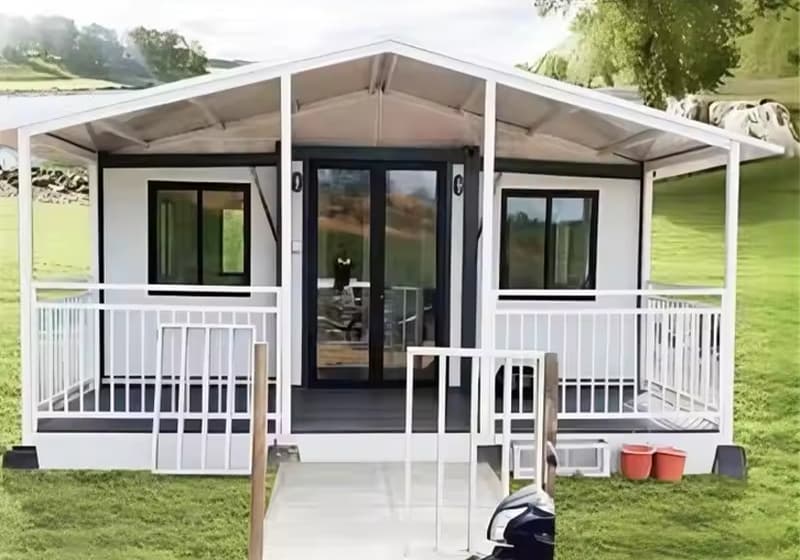
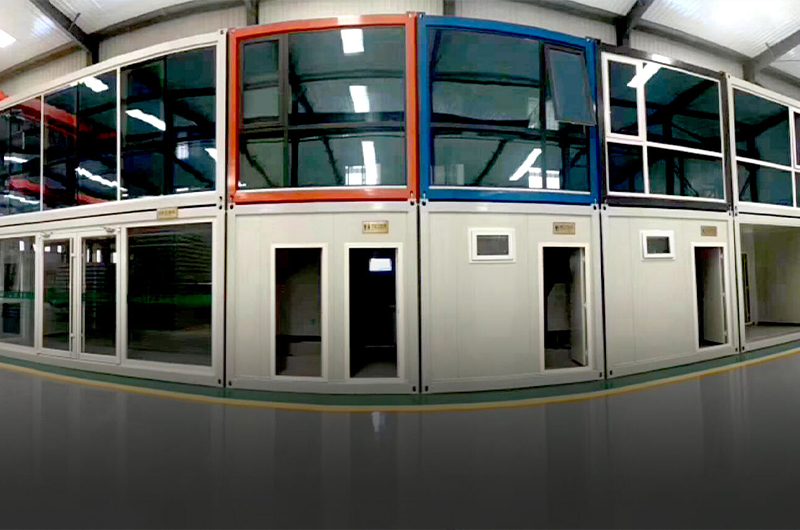
Modular building introduces a far more streamlined manufacturing process. Instead of constructing everything at the final location, living units are fabricated within regulated factory settings before being transported for swift erection and final fitting.
This methodology yields several important benefits.
1. Accelerated Building Schedules
The fabrication of modular residences can occur concurrently while groundwork and foundation pouring are underway on the site. This parallel operational structure drastically compresses total project timelines, enabling the completion and handover of residences and entire neighborhoods in months rather than years.
2. Enhanced Financial Prudence
Manufacturing based in a controlled facility boosts labor output, minimizes material spoilage, and results in more dependable cost projections. This aids in reducing overall building expenses and improving affordability, which is one of the greatest hurdles in the current property market.
3. Adaptable and Expandable Layouts
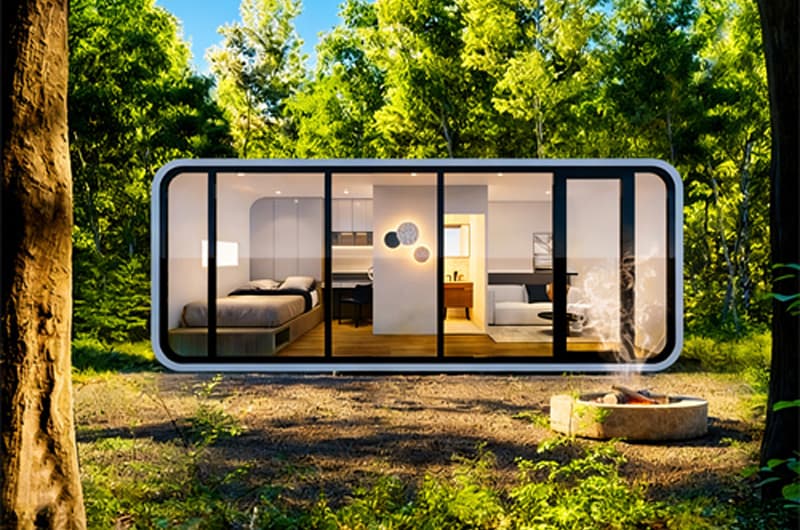
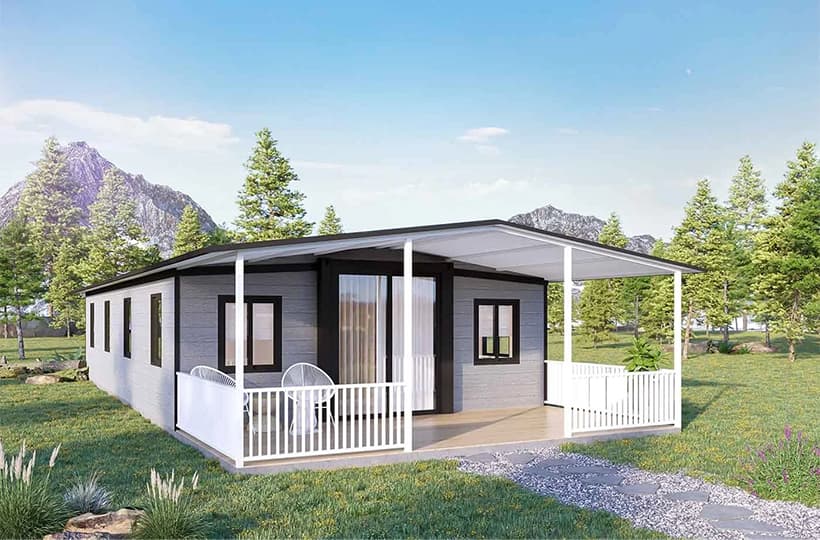
Modular building frameworks offer significant versatility. Standardized units can be configured into compact living spaces, homes for families, multi-story apartment blocks, accommodation for essential workers, or combined commercial/residential properties. The identical structural core can serve diverse geographic areas and project typologies while still adhering to local mandates and requirements.
4. Eco-Friendly and Energy Wise
In comparison to conventional building, off-site fabrication typically produces less refuse and fosters greater structural uniformity. The integration of superior insulation, high-performance windows, and energy-saving building systems can also lower required operational energy use over time, thus supporting a more sustainable pattern of metropolitan expansion.
Beyond Stopgap Shelter
A lingering misconception persists that prefabricated units patterns are only suitable for temporary use; however, contemporary modular housing has significantly advanced past that characterization. Current factory-built homes are robust, intended for permanent placement, and fully comply with all relevant building codes for long-term habitation.

They are increasingly being utilized for:
Initiatives focused on accessible housing
Accommodation specifically for essential workforces
Residences designed for students or seniors
Infill projects within established urban zones
Housing constructed for immediate relief or following climate-related relocation
The selfsame construction modality that offers rapid responses during emergencies can also generate stable and respectable long-term communities.
The Government’s Role in Housing Strategy
National and local administrations are progressively acknowledging the importance of industrialized construction techniques in resolving housing shortages. Modular housing aligns well with public objectives by offering:
Quicker realization of construction goals
More certain budgetary outcomes
Diminished ecological footprint
Expandable national blueprints for accommodation provision
The subsequent move involves wider implementation through revised land-use ordinances, financing structures, and forward-looking urban development blueprints.

Why HUISHENG Prioritizes Modular Housing
HUISHENG was established with this specific challenge in perspective. The objective extends beyond simply erecting buildings faster; it embraces a complete re-evaluation of how housing is manufactured, distributed, and made accessible across the planet.
By integrating prefabricated construction techniques, optimized logistics, and versatile spatial arrangements, HUISHENG seeks to deliver practical housing solutions characterized by speed, economy, and sustainability for modern societies.
In Summary
The worldwide scarcity of housing cannot be overcome merely by making minor enhancements to outdated construction practices. The sector necessitates a foundational shift towards building systems that are faster, more scalable, and significantly more productive.
Modular housing furnishes that necessary solution by consolidating speed, affordability, expandability, and environmental stewardship into a solitary, contemporary methodology.
Investigate HUISHENG’s prefabricated home designs, pricing tiers, and personalization choices to see firsthand how modular construction is defining the trajectory of future habitation.
Global housing landscape is witnessing a revolution. As the demand for flexibility, speed, and cost-efficiency grows, foldable houses and mobile modular houses have emerged as the premier solutions for 2026. From the innovative Z-fold house design to luxurious mobile pod houses, these structures are transforming how we...
Product Brief: The Revolutionary 30ft Double Wing Expandable Container HouseWelc
What Makes Prefabricated Houses the Smarter Choice for Modern Living?A prefabric
How Prefabricated Building Can Alleviate the Worldwide Housing DeficitPrefabrica
Understanding the Distinction Between Mobile Homes and Manufactured HomesHousing
+86 17563695938
contact@hshouse.com
No. 1099, Gongye 1st Street, Weicheng District, Weifang City, Shandong Province, China
View on Mobile
Copyright © 2026 Huisheng International Trade All rights reserved
powered by WDL
Send us your requirements. Free custom floor plan or 3D design in 3 working days
Submit form