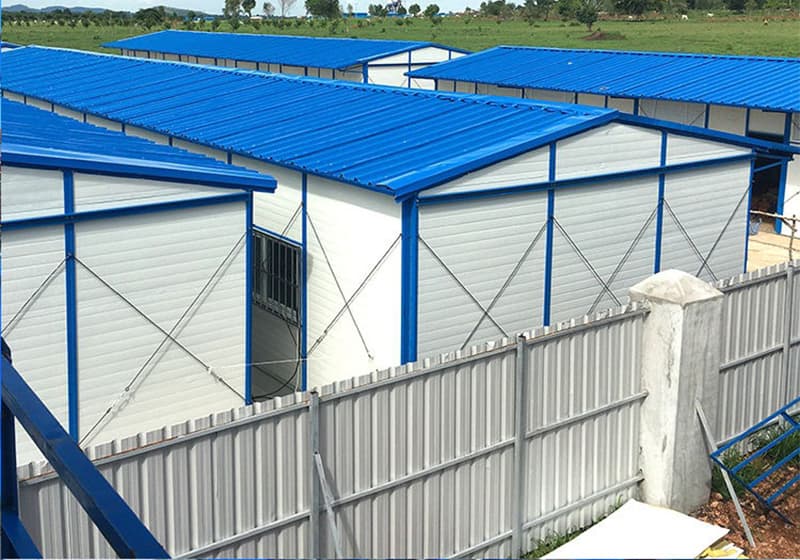

Leading the domestic modular building sector, we boast strong comprehensive brand strength and high recognition
Our product system covers various types of buildings, flexibly adapting to diverse usage scenarios
Our products are widely used in multiple fields, with outstanding practicality and adaptability
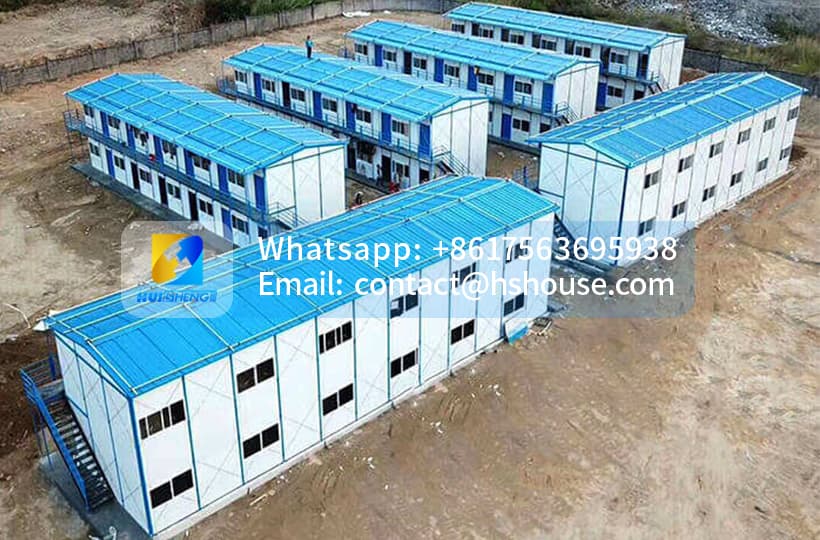
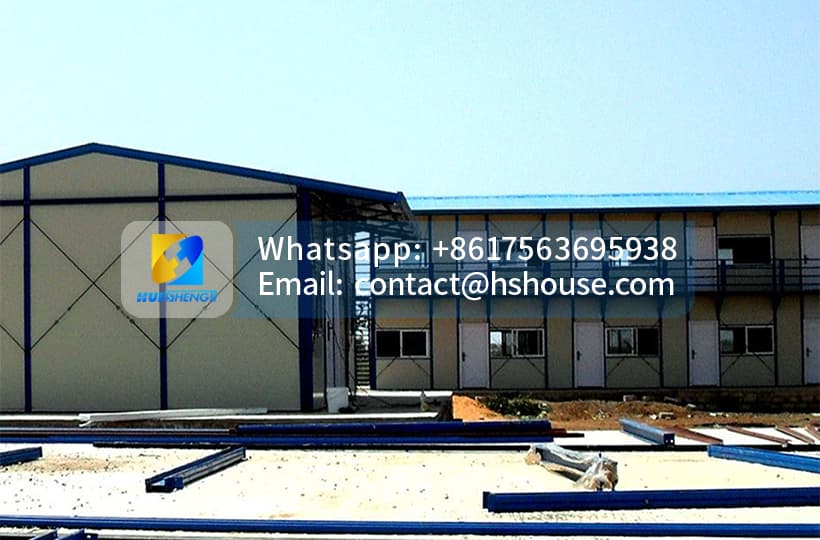
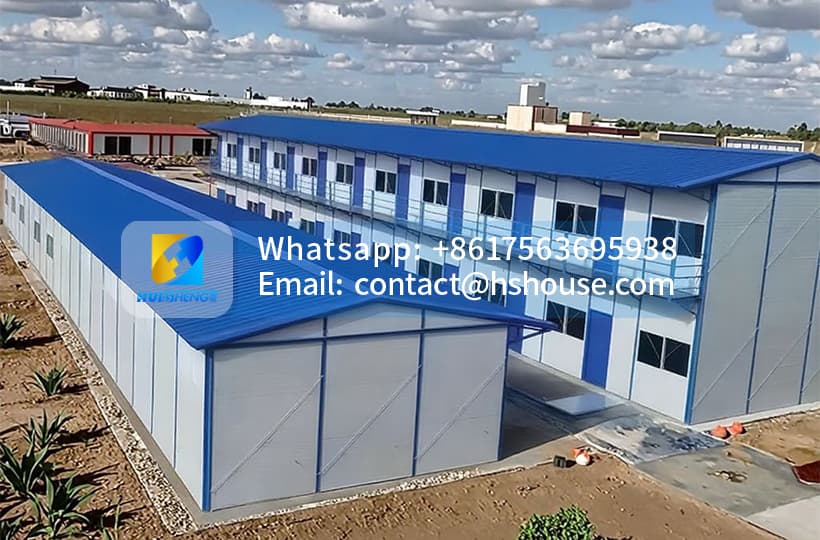
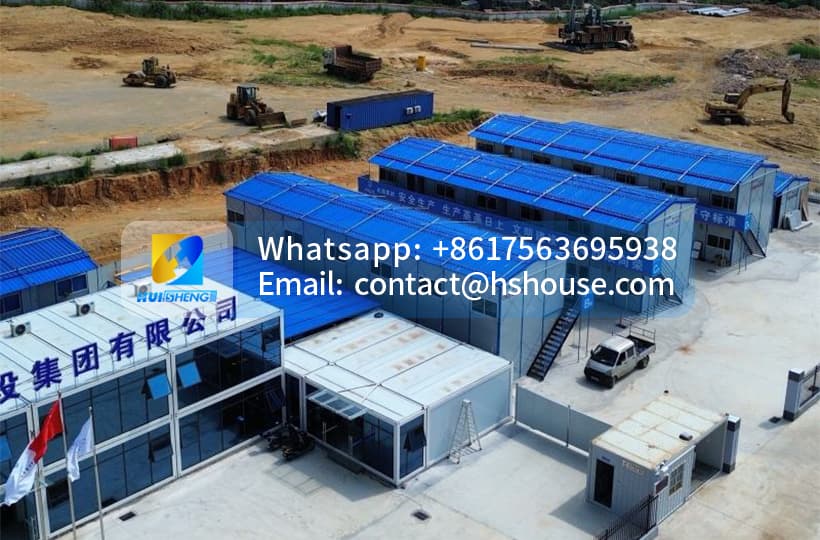
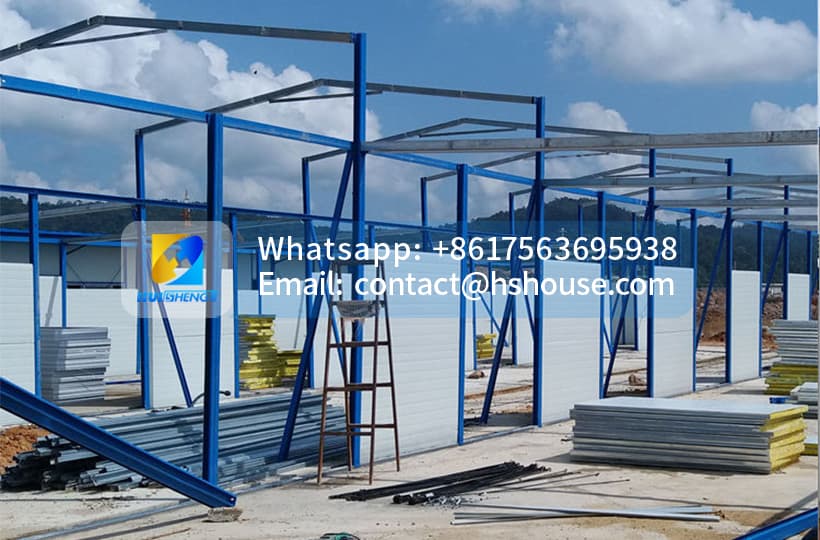
K-Type prefabricated houses use a repeatable structural-bay system to create single- or multi-room project buildings. They are commonly planned for workforce accommodation and supporting facilities where the room count, corridor arrangement and site schedule must be coordinated as one camp system.
Dormitories, project offices, dining halls, classrooms, clinics, storage rooms and other approved site buildings.
Define bay grid, storeys, room count, corridor and stair layout, sanitary blocks, structural loads and the local fire and occupancy strategy.
K-Type buildings are configured as a bay-based building system rather than as individual shipping-container-size modules, making them suitable for larger continuous floor plans.
| Decision | Information required |
|---|---|
| Use and capacity | Intended occupancy, people, rooms, operating workflow and equipment |
| Structure and size | Final dimensions, weight, loads, connections, corrosion protection and lifting points |
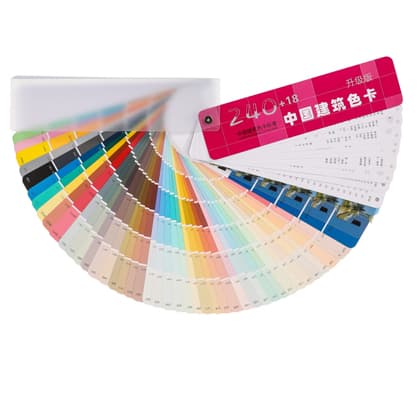
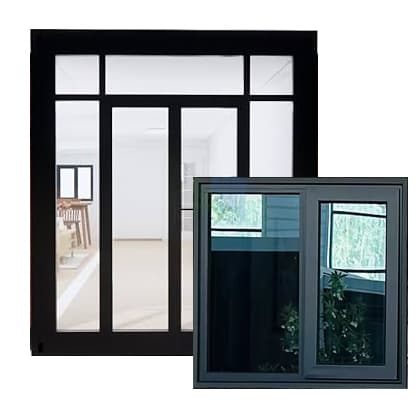
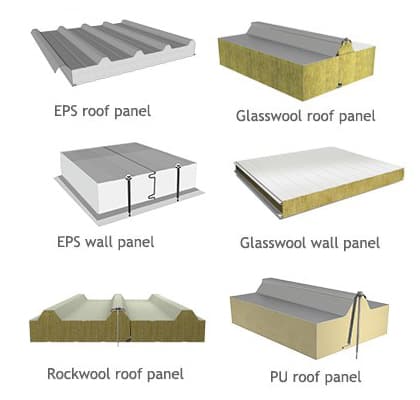
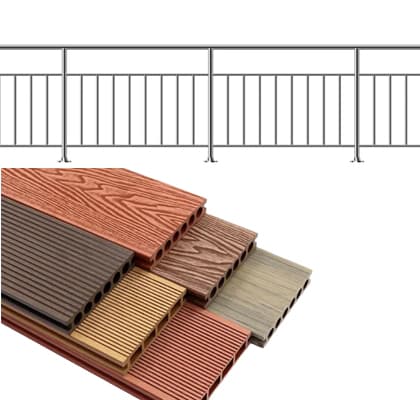
| Envelope | Wall and roof system, insulation, condensation control, doors, windows and finishes |
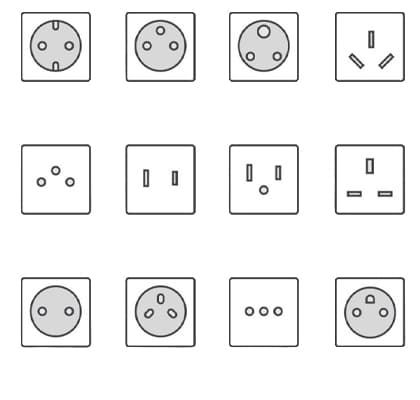
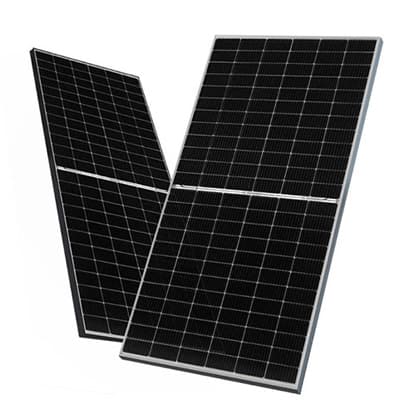
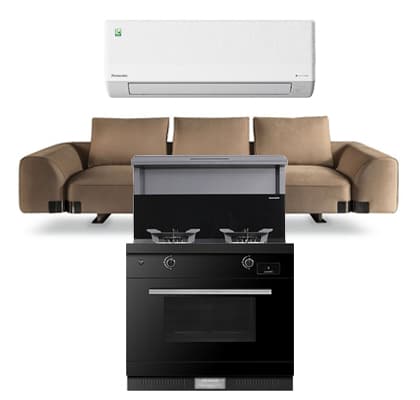
| Utilities | Voltage, sockets, lighting, HVAC, hot water, plumbing, drainage and data |
| Logistics | Packing, loading quantity, route, unloading, storage, crane and installation sequence |
| Compliance | Destination structural, fire, electrical, plumbing, energy, accessibility and occupancy rules |
Final dimensions, weight, loading quantity, materials, performance, equipment, price and delivery schedule depend on the approved quotation, drawings and destination requirements. Product images show configuration possibilities.
Start with the destination, use, quantity and site information. The proposal should then coordinate the layout, structural and enclosure system, utilities, finishes, packing and installation responsibilities. Approve the quotation, drawings and finish schedule before production. For repeat orders, use one approved specification as the inspection baseline.
Before shipment, confirm the transport route, unloading space, lifting plan, storage area and installation sequence. Before arrival, complete approved foundations, drainage and service points. Use trained personnel and the model-specific technical documents for assembly, deployment, connections and commissioning.
Prefabricated or relocatable buildings are not automatically exempt from local requirements. Planning, structural, fire, electrical, plumbing, energy, accessibility, worker-welfare and occupancy rules may apply. Consult qualified local professionals and authorities early.
Yes. Layout, openings, finishes, utilities, furniture and selected equipment can be configured for a defined order, subject to technical review.
Loading depends on the final dimensions, weight, packing method, route and container or vehicle limits. Use the approved packing plan, not a generic quantity.
Responsibilities are quotation-specific. The local project team commonly prepares approved foundations, access, drainage and utility points before delivery.
Compliance is project and jurisdiction specific. Send the applicable requirements for review and use qualified local professionals for permitting and final connections.
Quantity, structure, size, finishes, utilities, furniture, equipment, packing, installation scope and destination all affect the quotation.
Send your destination, use, quantity, layout and site information for a project-specific configuration and quotation.
At Huisheng, we believe that professional focus creates trusted quality.
 +86 17563695938
 contact@hshouse.com
 No. 1099, Gongye 1st Street, Weicheng District, Weifang City, Shandong Province, China



View on Mobile
Copyright © 2026 Huisheng International Trade All rights reserved
Send us your requirements. Free custom floor plan or 3D design in 3 working days
Submit form