

< img height="1" width="1" style="display:none" src="https://www.facebook.com/tr?id=1404142477927225&ev=PageView&noscript=1" />

Integrated House: The Future of Prefabricated Modular Homes

2026-02-07

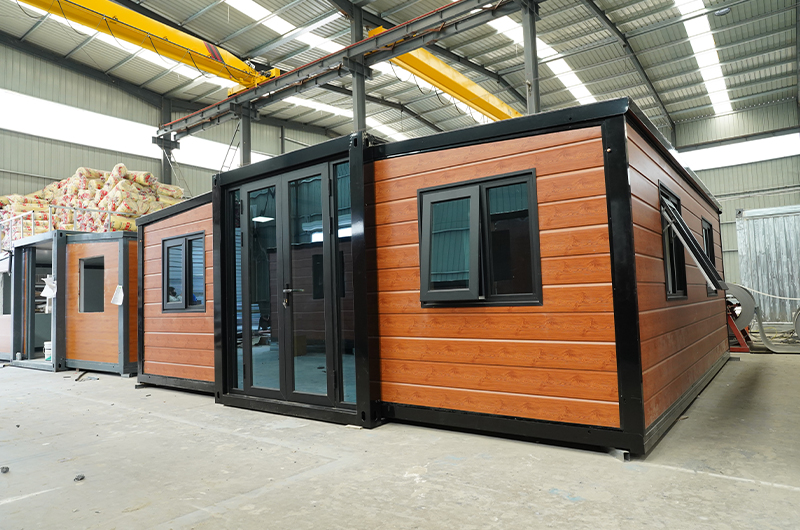
An Integrated House is a prefabricated, factory-engineered building system designed to combine structural strength, rapid installation, functional flexibility, and long-term durability into a single housing solution. The core concept is to merge architecture, prefab modular house engineering, and environmental performance into a unified structure that reduces construction time, minimizes waste, and enhances living efficiency. This type of housing, including modern small prefab homes, is increasingly recognized in global markets for its cost control, predictable quality, and adaptability to both residential and commercial needs.

To provide technical clarity, the following table outlines the general parameters commonly associated with high-quality modular prefab house systems available in the market.


应用场景 拷贝.png


Integrated House Technical Parameters

Specification Category

 Parameter Details

 Structural Frame

 Galvanized steel frame /   cold-formed steel; anti-corrosion treatment; 50–75-year service life

 Wall Panels

 Sandwich panels (EPS, Rock wool,   or PU); thickness options 50mm–150mm

 Roof System

 Modular insulated roofing with   drainage protection and optional solar integration

 Flooring

 Cement fiberboard, magnesium oxide   board, or composite flooring

 Thermal Performance

 U-value customizable;   energy-saving performance up to 60%+

 Fire Resistance

 Rock wool panels up to A-class   rating

 Wind Resistance

 8–11 grade, depending on   configuration

 Seismic Resistance

 Up to Grade 8 earthquake rating

 Electrical System

 Pre-installed conduits; integrated   power distribution module

 Plumbing

 Modular piping layout; PPR or PVC   systems pre-routed

 Customization

 Exterior finish, Prefab Bathroom   Unit, solar roof, HVAC compatibility

 Assembly Time

 1–7 days for standard Expandable   Container Units

 Application Fields

 Workers Camp, Emergency Shelter,   Hotel / Accommodation, schools, hospitals


Why Is an Integrated House Becoming the Preferred Solution?

Why Does Housing Require a Faster, Safer, and More Predictable Construction Method?

Conventional construction often faces challenges such as delays, weather constraints, inconsistent workmanship, and uncontrolled budgets. Prefabricated modular homes address these issues by centralizing production in a controlled factory environment. This assembly-line approach ensures greater durability and lower failure rates compared to structures built onsite. The use of materials such as insulated sandwich panels and precision-engineered steel frames streamlines installation and reduces costs, making modern prefab homes available for under $150,000.

Why Does Structural Flexibility Matter in Modern Architecture?

Global housing markets increasingly demand adaptable living spaces. An expandable container house offers modular expansion—such as additional rooms, second floors, or extended office wings—without the need for major demolition. This flexibility appeals to those interested in prefab modular homes, enabling efficient land use and scalable planning.

Why Do Integrated Houses Offer Superior Environmental Performance?

Prefabricated homes feature insulated wall panels, airtight construction, and eco-friendly materials. Coupled with their low-waste manufacturing process, they align with the global movement toward sustainable building practices.

What Functional Advantages Make an Integrated House Stand Out?

What Structural Features Enhance Durability?

An Integrated House uses high-strength steel frameworks designed to withstand harsh climates, earthquakes, and heavy wind loads. These features contribute to a longer lifespan for every prefab modular house.

What Comfort-Enhancing Features Improve the Living Experience?

● Thermal Efficiency: Thick insulated panels help regulate temperatures in both hot and cold environments.

● Acoustic Performance: Wall and roof systems effectively reduce noise transmission.

● Natural Lighting: The strategic placement of windows enhances indoor brightness.

● Ventilation Compatibility: Integration with HVAC systems allows for efficient airflow control.

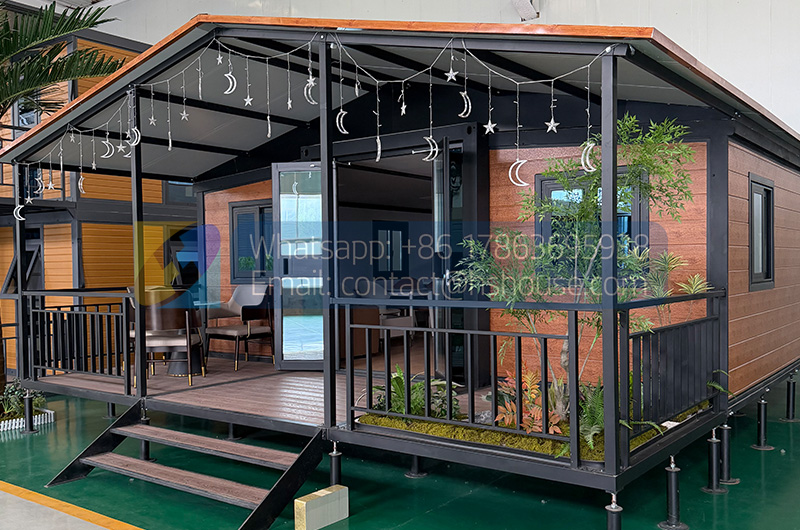
● Aesthetic Choices: Exterior cladding and layout options are designed to complement a variety of modern, small prefab homes.

What Makes Assembly and Transportation More Efficient?

Expandable container units are designed to be transported in compact packages, significantly reducing shipping volume. Onsite assembly follows a quick-deploy principle, enabling rapid setup without the need for specialized equipment. This feature is especially beneficial for temporary housing and emergency shelters.

How Does an Integrated House Support Future Growth and Industry Trends?

How Is the Market Shifting Toward Prefabricated and Modular Solutions?

Rising urbanization is driving the adoption of streamlined building systems, such as prefabricated modular homes. As costs continue to rise, these homes are expected to become mainstream due to their consistent quality and resource efficiency.

How Does Technology Influence the Next Generation of Integrated Housing?

● Solar-Integrated Roof Systems: Achieving Energy Independence for Prefabricated Container Homes

● Smart Wiring and IoT Compatibility: Supports automation upgrades seamlessly.

● 3D Layout Simulation: Digital planning ensures precision before production.

● Advanced Materials: Utilizing recycled materials to improve sustainability.

How Will Integrated Houses Evolve in Community and Commercial Development?

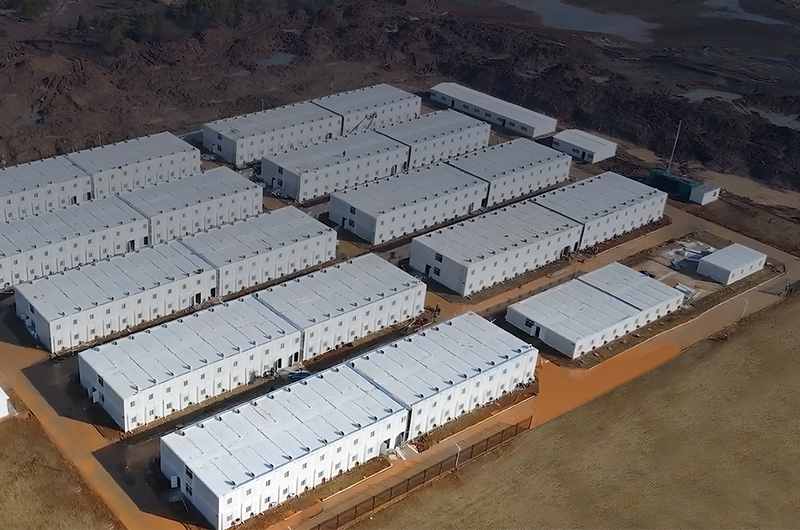
Commercial projects such as a Hotel / Accommodation or Workers Camp increasingly rely on modular construction to lower costs. Communities built from Modular Folding Container Houses can expand fluidly and adapt to population changes.

Common Questions About Integrated Houses

Q1: What is the typical lifespan of an Integrated House? A1: The lifespan typically ranges from 50–75 years. Durability is reinforced through galvanized steel structures and precision manufacturing standards.

Q2: How customizable is an Integrated House for different applications? A2: The system allows extensive customization for Prefab Modular Homes, offices, or commercial facilities. Modules like the Double Wing Expandable Container House can be combined to form multi-room residences or staff accommodations.

The Value of Choosing a Trusted Brand

Selecting the right supplier determines the performance of an Integrated House. Huisheng provides comprehensive solutions tailored for residential, commercial and industrial applications. The company focuses on structural safety and energy efficiency, offering customizable Expandable Container House options that fit diverse requirements.

For project planning, product details or customized layouts for Prefab Modular Homes, interested customers are welcome to contact us to obtain professional guidance and tailored quotations.

How Will Integrated Housing Evolve in Community and Commercial Development?

Commercial projects, such as hotels, accommodations, and workers' camps, increasingly rely on modular construction to reduce costs. Communities built from modular folding container houses can expand flexibly and adapt to changes in population.

Common Questions About Integrated Homes

Q1: What is the typical lifespan of an integrated house? A1: The typical lifespan ranges from 50 to 75 years. Durability is enhanced by galvanized steel structures and precise manufacturing standards.

Q2: How customizable is an Integrated House for different applications? A2: The system provides extensive customization options for prefabricated modular homes, offices, and commercial facilities. Modules, such as the Double Wing Expandable Container House, can be combined to create multi-room residences or staff accommodations.

The Value of Choosing a Trusted Brand

Selecting the right supplier is crucial to the performance of an integrated house. Huisheng offers comprehensive solutions tailored for residential, commercial, and industrial applications. The company emphasizes structural safety and energy efficiency, providing customizable, expandable container house options to meet diverse needs.

For project planning, product details, or customized layouts of Prefab Modular Homes, interested customers are encouraged to contact us for professional guidance and personalized quotations.


Huisheng International Trade

ABOUT US
Company Profile
Corporate Culture
Development History
Leader's speech
Honor
PRODUCTS
Expandable container house
Apple cabin house
Detachable container house
Floding Container house
Steel structure building
Commercial container house
Space capsule house
K-type house
More
COOPERATIVE PARTNER
cooperative partner
BLOG
Industry News
File Download

View on Mobile

Copyright © 2026 Huisheng International Trade All rights reserved

powered by WDL

Send us your requirements. Free custom floor plan or 3D design in 3 working days

Submit form

Message