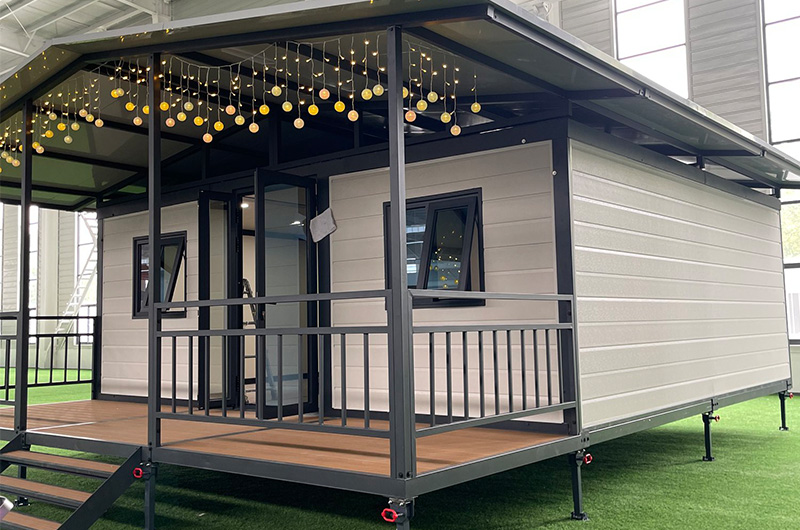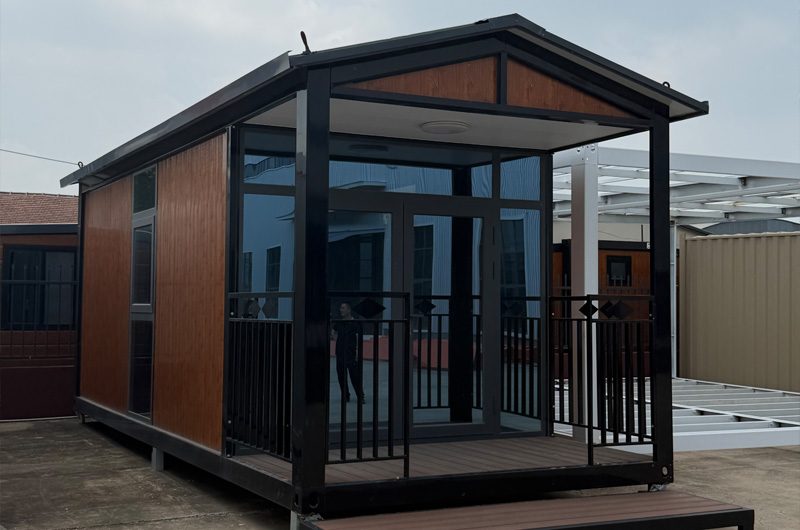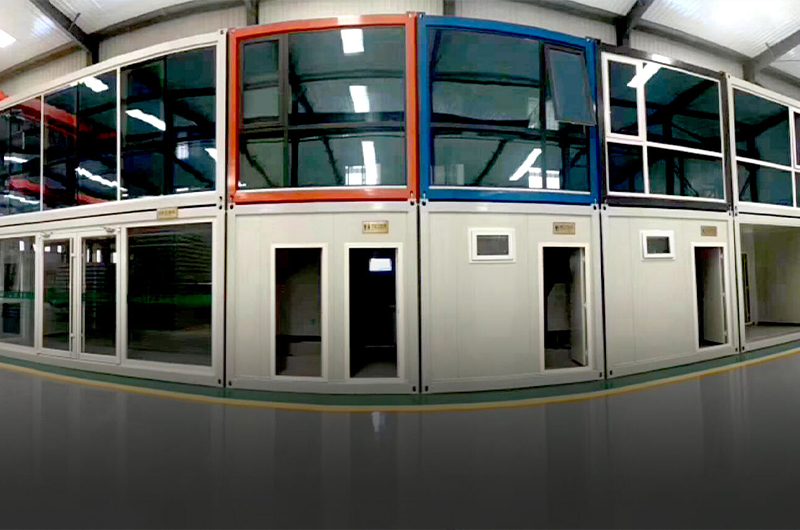




For a camp, resort or distribution project, one attractive demonstration unit is not enough to define a repeat order. The useful question is what that unit represents, what you have checked and what must remain identical in production. A sample review can help resolve design choices before they are repeated, provided its scope and limits are clear.
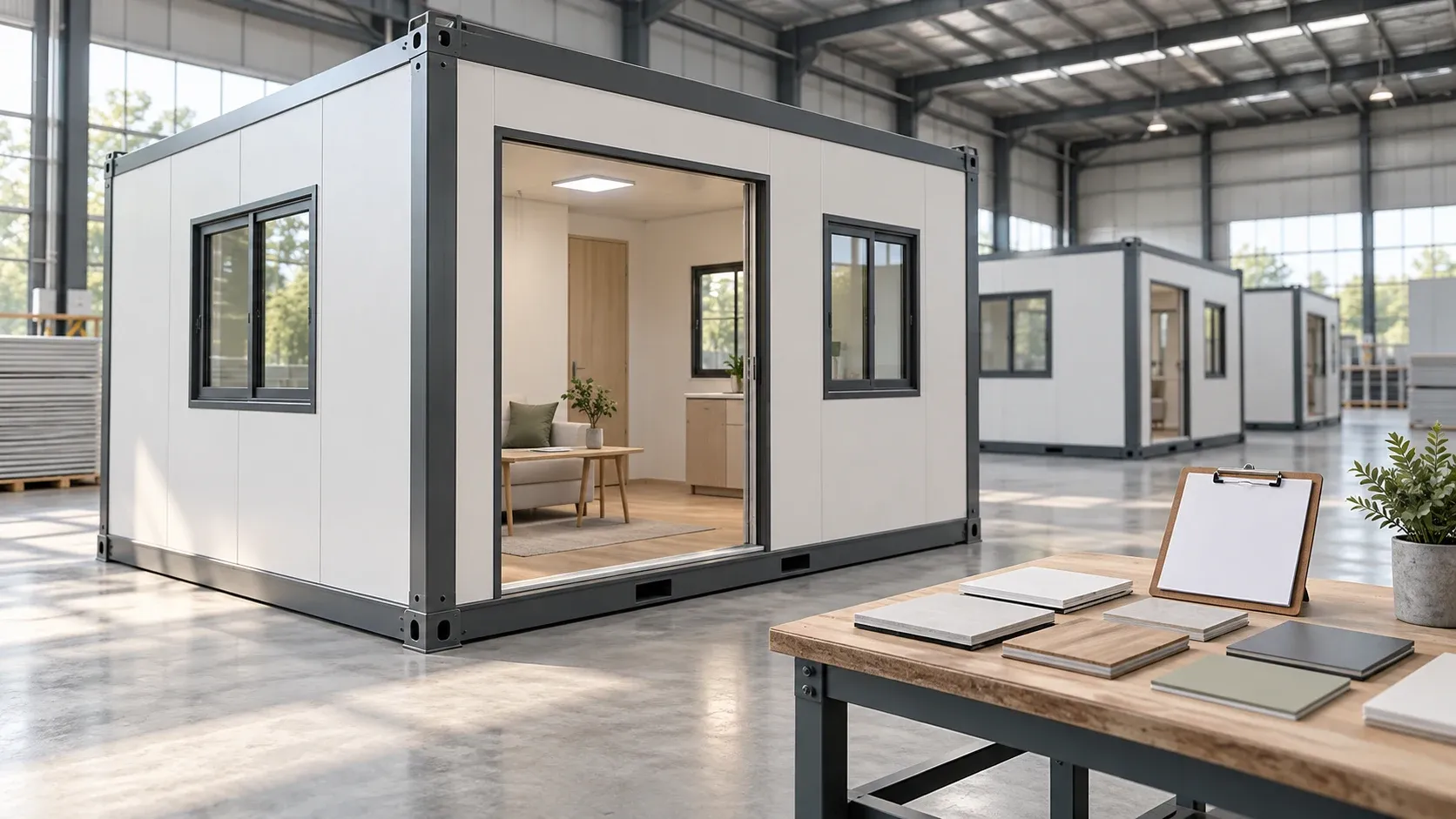
Decide which question the sample must answer
Begin with the intended use and the chosen product family. The HSHOUSE modular house product range contains systems with different room arrangements and delivery methods. A review of one system cannot automatically establish the suitability of another.
Separate appearance, function, delivery and local installation into distinct questions. A material swatch can help choose a finish. It cannot show whether an assembled bathroom works as intended. A factory walkthrough may show a layout, but it does not reproduce access, ground conditions or connections at your site.
Four types of evidence, four different limits
On a small screen, scroll the table horizontally to see every column.
| What you review | What it can help establish | What remains open |
|---|---|---|
| Material sample | The proposed colour, texture or identified material. | Finished assembly performance and installation quality. |
| Existing display unit | General proportions, access and finish possibilities. | Differences from your ordered specification. |
| Order-specific first unit | How the selected design and equipment come together. | Consistency across the remaining production. |
| Pilot installed at destination | Practical delivery, assembly and user feedback under that trial. | Other sites, long-term behaviour and untested conditions. |
A successful trial should reduce a named uncertainty, not become a blanket promise about every future unit. Agree which of these forms is feasible with the supplier; sample availability, cost and timing are commercial matters to confirm, not automatic entitlements.
Choose a representative configuration
Review the parts that will be repeated and the options most likely to change the work. For an expandable house project, that may include room layout, deployment interfaces and the selected service package. For a folding container house project, the review should use the exact model and its own opening and connection documents.
If the order contains several materially different room types, one sample may not cover them all. List what is common and what differs. A showroom unit with different windows, insulation or sanitary equipment should be recorded as a reference, not quietly substituted for the ordered configuration.
Create a short approval record before the review
Give the unit an identifier and record the drawing and equipment revisions against which it will be checked. Define the review items, the required evidence, who reviews it and who can authorize the next stage. Ask for suitable qualified personnel for technical tests; a buyer’s visual walkthrough is not a substitute for them.
- Layout: required rooms, furniture fit, opening clearances and agreed connection locations.
- Supplied items: equipment identity, finishes and the items included or shipped separately.
- Functions: agreed operational checks with their method, conditions and recorded results.
- Delivery: package identification, loose-part list and the information needed by the receiving team.
- Outstanding items: discrepancy, responsible person, proposed action and evidence needed for closure.
Use the technical document resources to discuss the records needed for the selected system. Confirm availability and scope for your order rather than assuming that a general brochure is the inspection standard.
Record changes before repeating the design
Imagine a pilot room whose storage door conflicts with the chosen bed. This is a hypothetical example, not a reported HSHOUSE defect. The useful result is an approved layout change, its effect on cost and packing, and the revision that the remaining units must follow.
A photograph of the corrected room is useful only when the production team can identify which drawing it confirms. Keep a change list that says what changed, where it applies and whether another check is required. A finish substitution should not disappear into a chat message while the purchasing schedule still names the old item.
Separate “review completed” from “approved to proceed.” If issues remain, identify which work is affected and who will confirm closure under the agreed order process. Do not treat a friendly message saying the unit looks good as approval of every technical or commercial detail.
Keep checks in place for the rest of the order
Approval of one unit does not inspect the remaining units. Agree how later units will be identified, what production and pre-shipment evidence is required, how discrepancies are handled and how packing records link to each shipment. The inspection coverage and any sampling method should be defined for the order with appropriate professional input.
At destination, connect the pilot findings to the receiving team’s instructions: access, unloading, local work, spare components and support contacts. The container house buying guide provides a wider framework for scope and handover. Factory review does not replace destination design review or local acceptance.
Questions about sample and bulk orders
Is a sample unit free or credited against the bulk order?
Do not assume either. Ask for the sample price, shipping scope, ownership and any agreed treatment in a later order. No free-sample or credit policy is promised here.
Can a video review replace a site visit?
It can help examine visible details, especially when the unit and revision are identifiable. Its limits depend on coverage and the checks required. State which questions remain unresolved remotely.
Does a passed sample mean the whole order is approved?
No. Define separately the design decision, production release, later inspections and shipment acceptance. They answer different questions.
Discuss a sample plan for your bulk project
Send HSHOUSE the product family, destination, room types, expected quantity and the decisions you want a sample to resolve. Ask what review format is available, its cost and schedule, and which documents would define the subsequent order.